
ANZ Frequent Flyer Card Review: Features, Fees, and Application
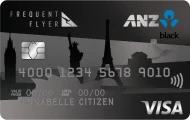
Overview of the ANZ Frequent Flyer Card
The ANZ Frequent Flyer Card is a financial product issued by the Australia and New Zealand Banking Group, one of the most prominent financial institutions operating within the Australian banking sector. Designed to function on the globally recognized Visa network, this credit facility aims to bridge the gap between everyday consumer spending and travel-focused utility. By leveraging the established infrastructure of the Visa payment system, cardholders are afforded wide acceptance at millions of merchants domestically and internationally, making it a highly functional tool for daily financial transactions.
A core component of this credit card is its integration with modern digital banking platforms. The Australia and New Zealand Banking Group has significantly invested in its digital infrastructure, allowing cardholders to manage their credit lines alongside their everyday banking and savings accounts. While the product is positioned as a frequent flyer card, indicating an association with travel and loyalty point accumulation, prospective applicants must carefully evaluate the available data. As we examine the structural features, associated costs, and digital benefits of this card, consumers can better determine if this specific credit facility aligns with their personal financial strategies and long-term travel goals.
Primary Benefits and Features
Despite the lack of published details regarding specific travel perks, the ANZ Frequent Flyer Card offers several tangible benefits centered around digital convenience and everyday account management.
- Digital Wallet Compatibility: The card is fully optimized for modern, contactless payments. It seamlessly supports Apple Pay, Google Pay, and Samsung Pay. This allows cardholders to link their physical credit card to their preferred smartphone or wearable device, facilitating secure and instantaneous transactions without the need to carry the physical plastic card.
- ANZ Plus Application Integration: Cardholders gain access to the highly rated ANZ Plus mobile application. This software ecosystem provides intelligent financial tools, including smart predictions for upcoming bills, subscriptions, and automated payments.
- Transaction Organization: Within the ANZ Plus app, users have the ability to create customized tags. This feature enables cardholders to easily filter, group, and categorize their daily transactions, offering deeper insights into monthly spending habits.
- Savings Account Synergy: The credit facility integrates smoothly with the ANZ Plus Growth Saver account. This allows users to set and meticulously track multiple independent savings goals alongside their credit management.
- Global Visa Acceptance: Being issued on the Visa network guarantees that the card can be used securely at point-of-sale terminals and online checkouts across the globe.
It is important to note that information regarding complimentary travel insurances, purchase protection plans, and airport lounge access is not disclosed by the issuer at this time.
Prerequisites and Eligibility Requirements
Before initiating an application for any credit product, it is crucial to understand the mandatory criteria set forth by the financial institution. However, for the ANZ Frequent Flyer Card, specific prerequisites such as the minimum age requirement, mandatory residential status, minimum annual income threshold, and exact credit score expectations are not disclosed by the issuer in the currently available documentation.
Given the standard regulatory environment governing Australian financial products, prospective applicants can generally expect that they must be at least 18 years of right, possess a stable source of verifiable income, and hold either Australian citizenship or permanent residency. Additionally, banks typically require applicants to demonstrate a positive credit history devoid of recent defaults or bankruptcies. Because the exact underwriting standards for this specific Visa card remain unpublished, individuals interested in acquiring this product must carefully review the full terms and conditions provided directly on the issuer’s application portal to confirm their legal and financial eligibility.
Who This Card Is For (And Who Should Avoid It)
Determining the suitability of the ANZ Frequent Flyer Card requires a careful assessment of an individual’s financial habits and digital preferences. This product is structurally designed for tech-savvy consumers who place a high premium on mobile banking convenience. Individuals who intend to heavily utilize Apple Pay, Google Pay, or Samsung Pay for their daily transactions will find the digital wallet integrations highly beneficial. Furthermore, existing customers of the Australia and New Zealand Banking Group who wish to consolidate their financial oversight within the ANZ Plus application will appreciate the unified dashboard experience.
Crucially, this card is best suited for “transactors”—individuals who consistently pay their statement balances in full at the end of every single billing cycle. By clearing the balance entirely, these users can avoid the application of standard interest rates while continuing to utilize the card’s payment infrastructure.
Conversely, there are specific demographics that should avoid this financial product:
- Consumers who carry revolving debt: The fixed purchase annual percentage rate is high, meaning interest charges will quickly accumulate and negate any potential value derived from the card.
- Individuals seeking guaranteed luxury perks: Because details regarding comprehensive travel insurance and airport lounge access are missing, premium travelers should look elsewhere.
- Frequent cash withdrawers: Utilizing a credit card for ATM withdrawals is inherently costly, and the steep cash advance rate on this specific card makes it a poor choice for accessing physical currency.
Rewards and Loyalty Programs
The name of the ANZ Frequent Flyer Card strongly implies an association with travel loyalty programs and point accumulation. However, critical details regarding the actual rewards structure are entirely missing from the current public data. Information concerning the base point earning rates, potential bonus category multipliers for specific types of spending, and the exact loyalty point currency utilized are not disclosed by the issuer.
Furthermore, the data does not specify any affiliated airline transfer partners or redemption options. Prospective cardholders looking to capitalize on promotional offers should also be aware that current sign-up bonuses and introductory point incentives are not disclosed by the issuer. Due to this significant lack of transparency regarding the return on daily spending, consumers must proactively contact the Australia and New Zealand Banking Group or thoroughly review the official product disclosure statement to understand exactly how their transactions will be rewarded before committing to an application.
Initial Credit Limit Expectations
When a financial institution approves a credit card application, it assigns an initial credit limit based on a comprehensive risk assessment of the applicant. For the ANZ Frequent Flyer Card, the minimum and maximum initial credit limits are not disclosed by the issuer.
Typically, the Australia and New Zealand Banking Group, like other major banks, determines an individual’s credit line by evaluating their verifiable annual income, existing debt obligations, housing costs, and overall creditworthiness. Applicants with higher disposable incomes and exceptional credit histories are generally granted higher limits, providing greater purchasing power. Conversely, individuals meeting only the baseline eligibility criteria may be assigned a lower, more conservative limit. Cardholders who demonstrate responsible credit management by making timely payments and maintaining low credit utilization ratios may become eligible to request a credit limit increase in the future, subject to the bank’s internal review processes.
Step-by-Step Application Guide
Applying for the ANZ Frequent Flyer Card is a structured process that requires careful preparation and attention to detail. If you have evaluated the known terms and believe this product aligns with your financial strategy, you can proceed by following these general application steps:
Step 1: Financial Preparation
Before beginning the application, ensure you have gathered all necessary documentation. This typically includes government-issued identification (such as a valid Australian driver’s license or passport), recent payslips or tax returns to verify your income, and a detailed summary of your current living expenses and existing liabilities.
Step 2: Review Official Disclosures
Navigate to the issuer’s official website to review the most current Target Market Determination (TMD) and Key Facts Sheet. Because several fee and reward details are currently unpublished, this step is vital for confirming the exact terms you are agreeing to.
Step 3: Initiate the Application
Click the designated application button to securely transfer to the Australia and New Zealand Banking Group’s encrypted portal.
See how to apply
Step 4: Complete the Digital Form
Input your personal details, residential address, employment information, and financial statistics into the required fields. Ensure all information is accurate, as discrepancies can lead to processing delays or application denial.
Step 5: Identity Verification and Submission
Follow the prompts to verify your identity electronically. Once all sections are complete and reviewed, submit your application. The issuer may provide an instant conditional decision or require additional time for a manual underwriting review.
Pros and Cons
Evaluating the advantages and structural limitations of the ANZ Frequent Flyer Card is essential for making an informed financial decision.
Pros:
- Requires a highly manageable standard annual fee of A$58.00.
- Fully supports major digital wallets including Apple Pay, Google Pay, and Samsung Pay for seamless contactless transactions.
- Integrates directly with the robust ANZ Plus application, offering tools for bill prediction, transaction tagging, and savings goal management.
- Operates on the widely accepted Visa payment network, ensuring global usability.
- Backed by the financial stability of the Australia and New Zealand Banking Group.
Cons:
- Imposes a high fixed purchase APR of 20.24%, making it exceptionally costly for cardholders who carry a balance month-to-month.
- Charges a steep cash advance APR of 21.24%, strongly penalizing physical cash withdrawals from ATMs.
- Exact rewards earning rates, point currencies, and airline transfer partners are not disclosed by the issuer.
- Potential introductory offers and sign-up bonuses are not disclosed by the issuer.
- Specifics regarding international transaction fees, late payment penalties, and complimentary insurances are not disclosed by the issuer, requiring extra verification by the applicant.
Understanding the Fees and Tariffs
The cost of maintaining and utilizing the ANZ Frequent Flyer Card is dictated by its fee schedule and interest rate structure. The card requires an ongoing standard annual fee of A$58.00. This is a mandatory charge applied to the account regardless of how frequently the credit facility is utilized.
The primary cost consideration for this card is its interest rates. The card carries a fixed purchase Annual Percentage Rate (APR) of 20.24%. If a cardholder fails to pay their entire statement balance by the designated due date, this high interest rate will be applied to the remaining revolving balance, significantly increasing the cost of previously purchased goods and services. Furthermore, any transaction categorized as a cash advance—such as withdrawing money from an ATM or purchasing cash equivalents—will immediately attract a cash advance APR of 21.24%. Cash advances typically do not benefit from interest-free grace periods, meaning interest begins accruing on the day the transaction is executed.
Prospective applicants must be aware that several common financial penalties are currently missing from the public data. Specifically, the amounts for a late payment fee, cash advance flat fee, returned payment fee, balance transfer fee, and foreign transaction fee percentage are not disclosed by the issuer. Because these hidden tariffs can dramatically affect the total cost of card ownership—especially if you intend to use the card while traveling internationally—it is imperative to request a full fee schedule from the institution prior to finalizing your application.
Customer Service Channels
Access to reliable customer support is a vital component of managing any credit facility. Cardholders of the ANZ Frequent Flyer Card can reach the institution’s support representatives directly via telephone. The primary contact number for general inquiries, account assistance, and financial support is 1800 008 177.
While telephone support is confirmed, other specific service metrics are currently unavailable. The exact operating hours for the customer service department, the availability of 24/7 emergency international support, and the provision of dedicated live chat URLs are not disclosed by the issuer. Users seeking assistance with digital banking or general financial wellbeing tips can often find supplementary resources within the ANZ Plus application ecosystem.
About the author

Claire Moreau is a consumer finance editor at Ideias Dobro, writing clear, practical comparisons on credit cards, personal budgeting, and everyday financial decisions.


